
Search Engine Optimization

What is SEO and how does it work?
SEO (Search Engine Optimization) is the process of improving your website so it appears higher in search engine results—especially on platforms like Google.
1. Crawling
Search engines scan the internet to find new or updated pages using bots (often called “spiders”).
Crawling is the process by which search engines like Google discover content on the internet.
2. Indexing
Once a page is found, it gets stored in a massive database (index), where search engines analyze its content, keywords, images, and structure.
3. Ranking
When someone searches for something, the search engine ranks pages based on relevance and quality. It considers factors like:
- Content quality and usefulness
- Keywords and search intent
- Website speed and mobile-friendliness
- Backlinks (links from other websites)
- User experience
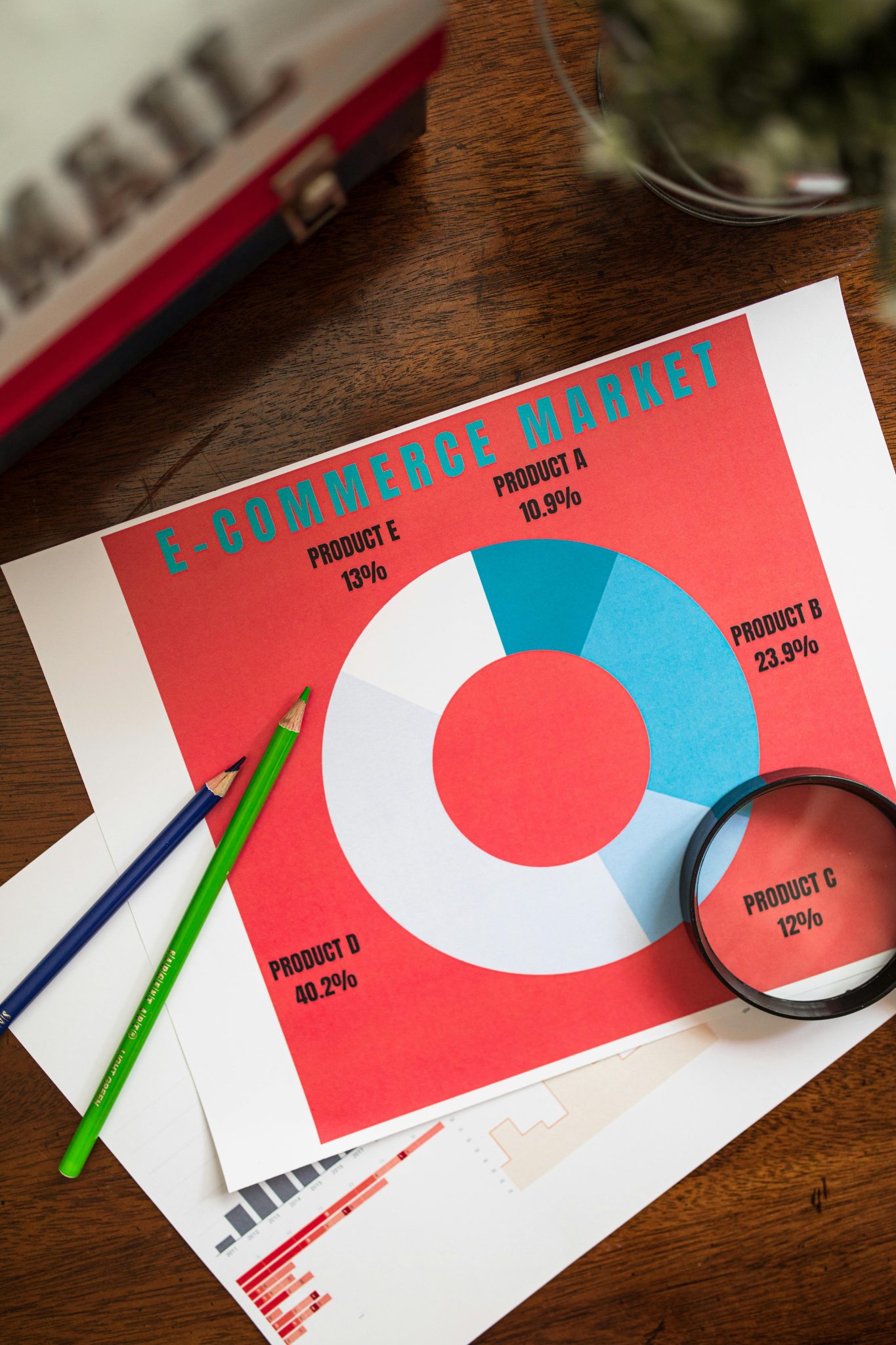
Why is SEO important for website?
Increases Visibility and Traffic
Most users don’t go past the first page of search results. SEO helps your site rank higher, bringing in more organic (free) visitors who are already interested in what you offer.
Attracts the Right Audience
SEO targets people based on what they’re actively searching for. That means better-quality traffic compared to random visitors or untargeted ads.
Cost-Effective Marketing
Unlike paid ads, SEO doesn’t require you to pay for every click. Once your site ranks well, it can generate consistent traffic without ongoing ad spend.
Builds Trust and Credibility
Websites that rank higher on Google are often seen as more trustworthy. Good SEO practices (like fast loading, quality content, and secure browsing) improve user confidence.
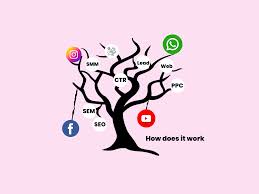
How does site structure affect rankings?
Improves User Experience
A logical structure makes it easier for users to:
- Find what they need quickly
- Stay longer on your site
- Visit more pages
Helps Search Engines Understand Content
A well-organized site groups related topics together. This helps Google understand:
- What your website is about
- Which pages are most important
- How topics are related
Distributes Link Authority
Internal links pass “SEO value” between pages.
A strong structure ensures:
- Important pages get more authority
- New pages rank faster
- No page is “orphaned” (not linked anywhere)